Cost of capital
Business financing costs, structure by structure
What each way of funding a business actually costs once you convert the quote into an annual rate. Factoring, revenue-based financing, asset-based lines, equipment paper, SBA, and acquisition debt.
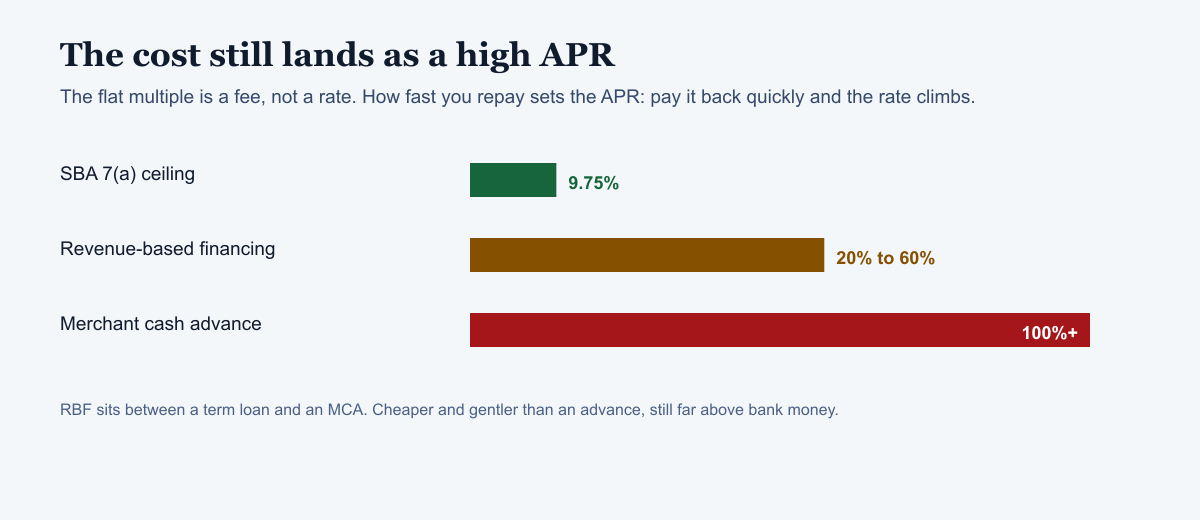
Every structure below is quoted in a different unit on purpose. A bank quotes a rate, a factor quotes a discount off the invoice, an advance quotes a multiplier. Convert them all to one annual rate and the ranking stops being a matter of opinion.
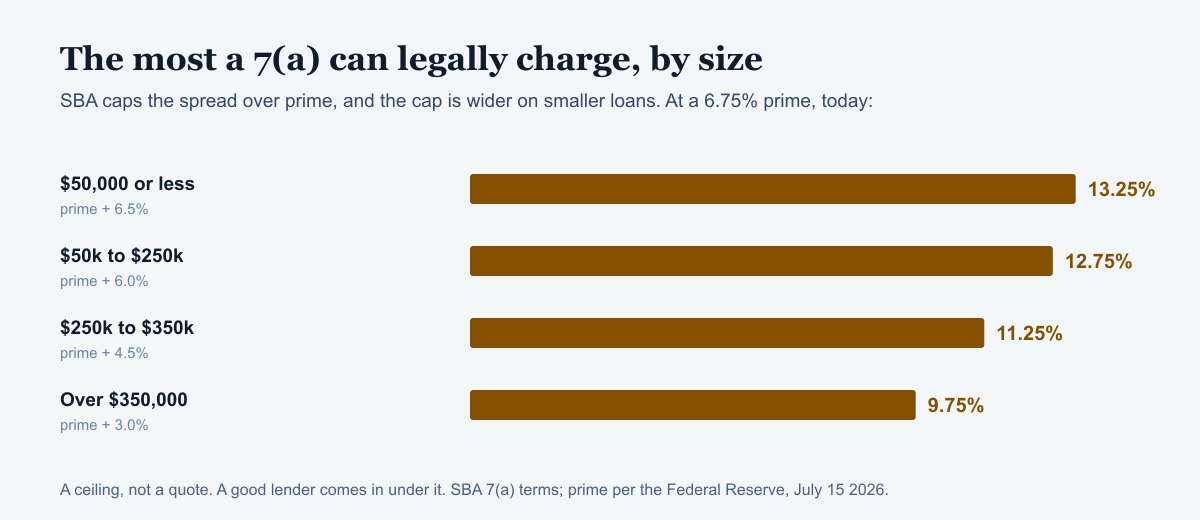
9.75%
SBA 7(a) ceiling, loans over $350k
Prime 6.75% + the 3.00% SBA cap. Federal Reserve H.15, July 15, 2026.
13.25%
SBA 7(a) ceiling, loans under $50k
The cap widens as the loan shrinks: prime + 6.5%.
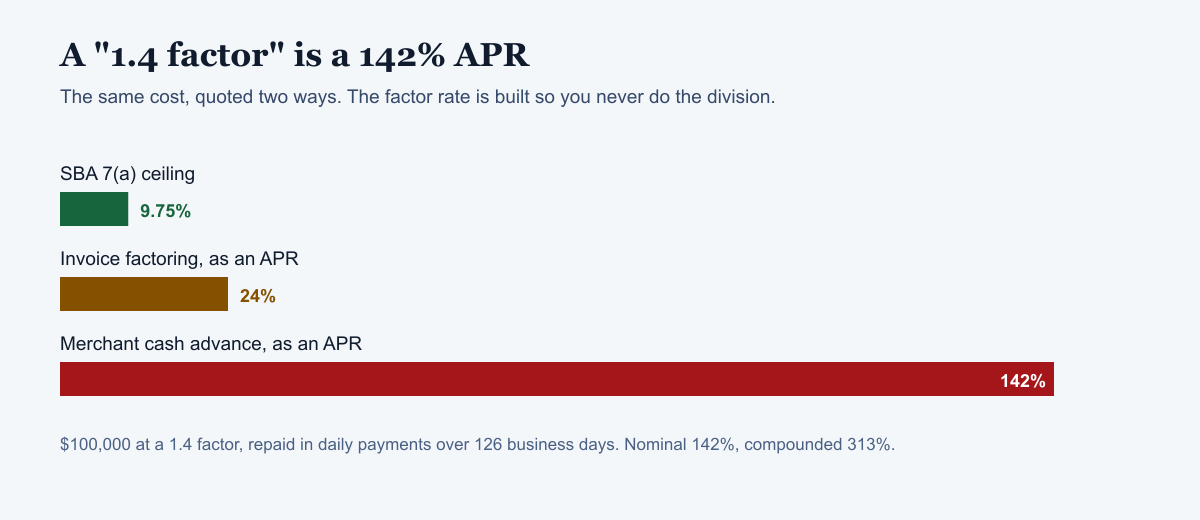
~24%
Invoice factoring, as an APR
A 3% fee on 45-day invoices, annualized.
142%
A 1.4-factor cash advance
$140k repaid on $100k over ~126 business days of daily debits.
The trap: a factor rate is a multiplier, not a rate
Nothing on a cash advance contract converts 1.4 into an annual cost, because the number that sells the product is the small one. The same $40,000 of fee is cheap over three years and ruinous over six months, and the term is exactly what the quote leaves vague.
Tools for this section
Free, run in your browser, nothing submitted. The fastest way to a real number while the written guides land.
 Which financing fits? Six questions, a ranked shortlist with the real cost of each.
  True cost of financing Turn a factoring fee or factor rate into a real APR.
  SBA 7(a) payment Payment, pre-filled to the legal rate ceiling for your loan size.
 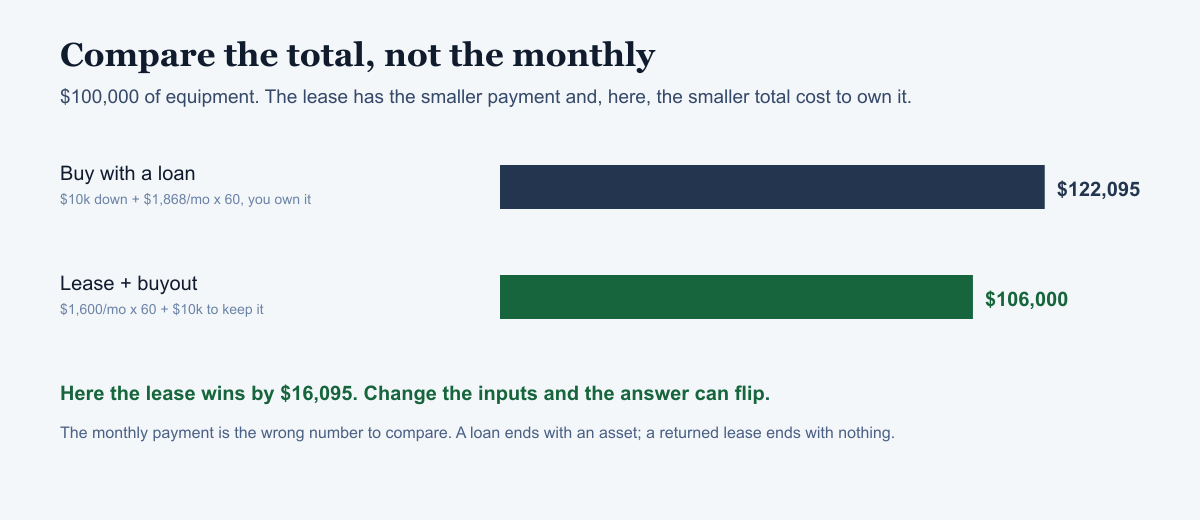 Equipment: lease vs loan Total cost to own the equipment each way, buyout included.
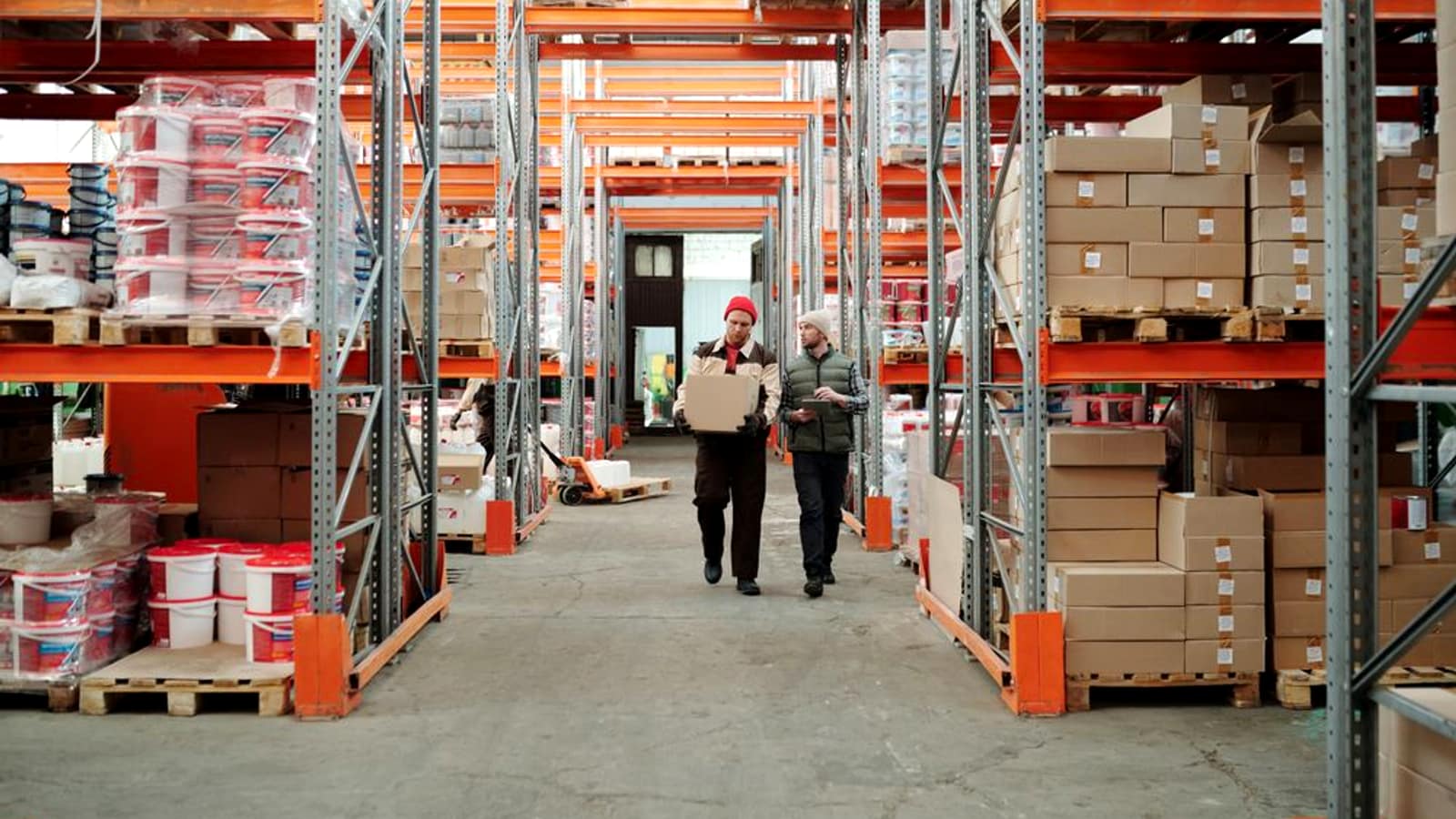
Asset-based lending rates: what an ABL line costs
Asset-based lending prices at prime plus 1% to 5%, plus fees an APR quote hides. How the borrowing base works, the all-in cost, and when an ABL line fits.

Business acquisition loan rates in 2026
Buying a business usually runs on an SBA 7(a) loan at prime plus up to 3%. How the capital stack works, the 10% equity rule, and what each source of money costs.
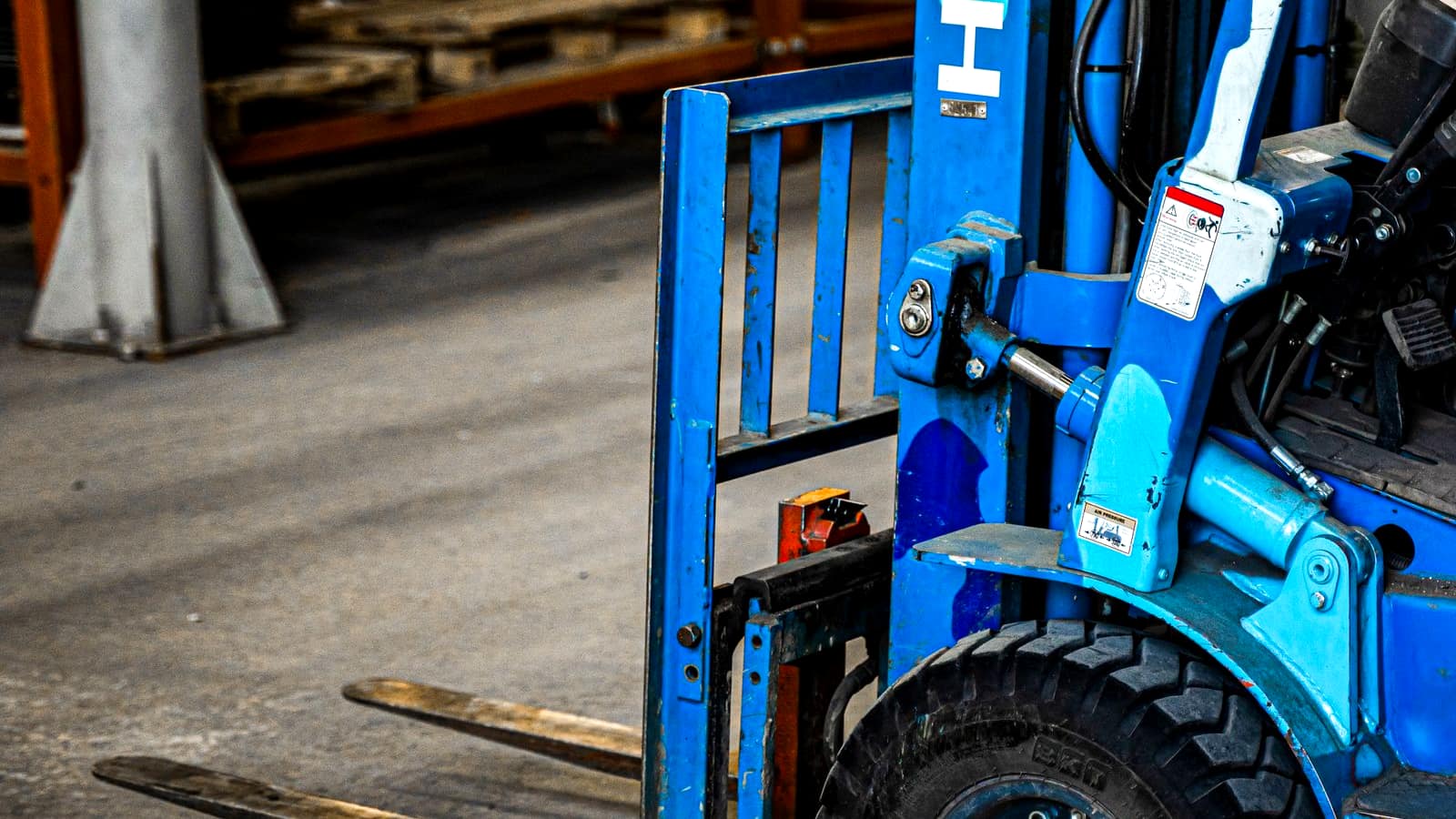
Equipment financing: lease vs loan, real cost
The vendor sells the low monthly lease payment. Compare the total cost to own equipment with a loan or a lease, and let your hold period break the tie.

Invoice factoring cost: the fee is not the rate
Invoice factoring runs 1% to 5% per invoice, but that fee is not an interest rate. Convert it to an APR and a typical deal lands near 24%. Here is the real math.

Merchant cash advance APR: what 1.4 really costs
A merchant cash advance quotes a factor rate, not an APR. A 1.4 factor over six months is about a 142% annual rate. Here is the math, and the way out.

Revenue-based financing: how it works and costs
Revenue-based financing repays a share of monthly sales up to a capped multiple. Gentler than a cash advance, but the effective APR still lands at 20% to 60%.
SBA 504 loan rates and how the structure works
The SBA 504 funds owner-occupied real estate with a 50/40/10 split and a long fixed below-market rate. How it is built, what you put down, and 504 versus 7(a).

SBA 7(a) interest rates: the 2026 legal ceiling
SBA caps how far over prime a 7(a) lender can charge. In 2026 the maximum runs from 9.75% on large loans to 13.25% on small ones. Here is the full table.
Worth reading on this
The books we work from in this section, and what each one is actually good for.
As an Amazon Associate we earn from qualifying purchases.
Buy Then Build: How Acquisition Entrepreneurs Outsmart the Startup Game
The clearest plain-English account of how acquisition debt gets structured, and why the SBA 7(a) is the instrument most search-fund buyers end up using.
Financial Intelligence for Entrepreneurs
Old, and still the fastest way to learn to read your own statements well enough to argue with a lender about what your working capital cycle really is.